

The decade decisions matter most
In your 30s, almost anything works. The skin still has fibroblast resilience and bounce. In your 50s, the structural losses are significant enough that single-treatment plans rarely deliver. The 40s sit between these — old enough that changes are visible, young enough that interventions land powerfully.
It is also the decade where the wrong choices age you faster than no choices at all. Heavy filler in your 40s ages badly into your 50s. Aggressive treatments without barrier support cause cumulative damage. Skipping the basics matters more, not less.
What is actually happening to your skin in your 40s
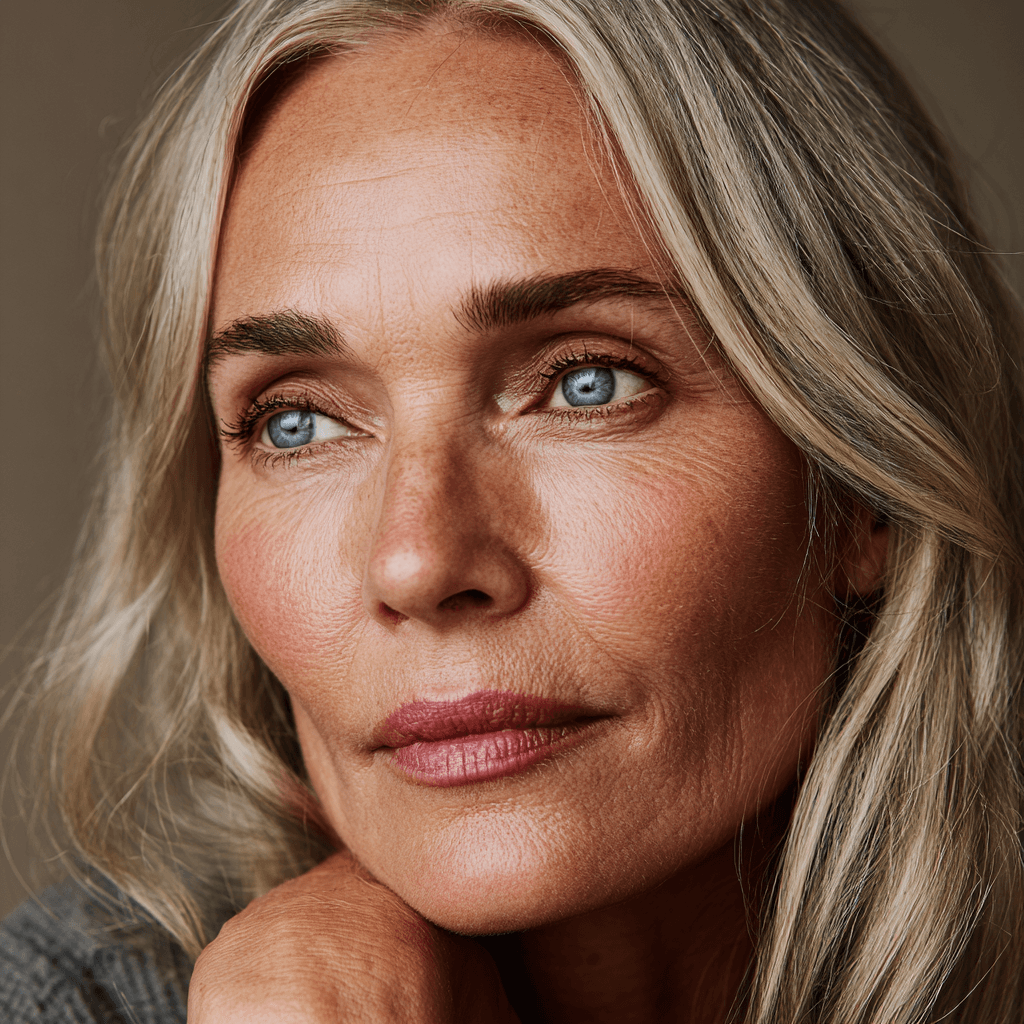
Collagen has dropped meaningfully — around 20% lower than your mid-20s. Hyaluronic acid stores have declined. The peri-orbital area (around the eyes) shows the first structural changes most visibly. Pigmentation from cumulative UV exposure becomes more visible. Hormonal changes (peri-menopause for many) begin to affect skin behaviour.
The non-negotiable basics
Daily SPF 50. UV continues to be the dominant driver of visible ageing. Daily, not "sunny days." Even in February.
A medical-grade retinoid four to five nights a week. This is the single most evidence-based topical intervention for ageing skin. High-street retinol is not the same — go prescription-grade if you can.
Vitamin C in the morning. Antioxidant protection against free-radical damage.
A barrier-supporting moisturiser. 40s skin holds water less easily. Ceramides, glycerin, panthenol.
If you are not doing these four things, no injectable will give you its full result.
The injectables that earn their place in your 40s
Botox. Used conservatively. The goal is unworried, not unable to move. Forehead, frown lines, crow's feet — typically three areas, low to moderate doses. I particularly value baby Botox approaches in 40s clients who want softening rather than freezing.
Profhilo. Highly worth it. The bio-remodelling effect on dermal collagen and hydration is genuinely visible. Two sessions four weeks apart, maintenance every six to nine months.
Polynucleotides. Underused but excellent — particularly for under-eye area, where filler often ages poorly.
The treatments to be careful with
Filler. This is where many 40s clients lose their faces. Heavy filler used to "lift" the face in the 40s often makes the 50s face look heavier and stranger, not younger. Filler in the 40s should be conservative, structural (chin, jawline, mid-face support), and almost never used to fill specific lines.
Aggressive laser resurfacing. Recovery is longer at 40 than it was at 30. The downtime cost is real, and pre-conditioning the skin with peels and a strong home-care routine first usually produces better results.
What a realistic first year looks like
A first consultation and skin assessment. Optimise the home routine — sometimes this alone solves what brought you in. A Profhilo course for hydration and bio-remodelling. A small, conservative Botox treatment if dynamic lines are bothering you. A course of three to four peels through autumn and winter to address texture and pigmentation. Polynucleotides for the under-eye area if relevant. Review at six months.
Done in this order, the results compound. The skin keeps getting better. The face still looks like itself.
What I quietly do not recommend
High-dose filler "facelift" packages. Marketing-led treatment plans where everything happens at once. Stand-alone microneedling without a paired active. Cheap, unbranded injectables — particularly products imported outside regulated channels.
Booking a consultation
The 40s consultation is one of the most important ones I do. Decisions made here shape what your face looks like in your 50s. A free consultation gives you space to think through what makes sense, without sales pressure. I'd rather you came in for 45 minutes and went home with a plan than booked the wrong treatment on the day.